Plastic Testing Laboratory

Know your plastic before you run it

Affordable material testing for manufacturers, molders and recyclers. Melt flow, moisture, density, tensile, flexural, impact and ash testing at our plastic testing laboratory in Richmond, British Columbia.

Bundled testing packages

  • Complete Polymer PassportAll 7 tests: your full material profile
  • Process Stability BundleMelt flow + moisture + solid density
  • Mechanical Benchmark SuiteTensile + flexural + impact
See all tests and brochures

Plastic testing for manufacturers, molders and recyclers

Precise numbers on how your plastic will process and perform, from a lab that works with recycled material every day.

The Ocean Legacy Plastic Testing Laboratory analyzes recycled, virgin and compounded plastics at our facility in Richmond, British Columbia. We measure melt flow, moisture, solid density, tensile, flexural and impact strength, and ash content, then give you a clear report you can act on.

We built this lab to characterize some of the most demanding feedstock there is: rope, nets and gear recovered from the Pacific. Your resin is in good hands.

  • 7 test methodsProcess and mechanical properties
  • 3 bundled packagesOr order any test on its own
  • Daily and monthly ratesPriced for routine quality control
  • Richmond, BCServing the Pacific Northwest and beyond
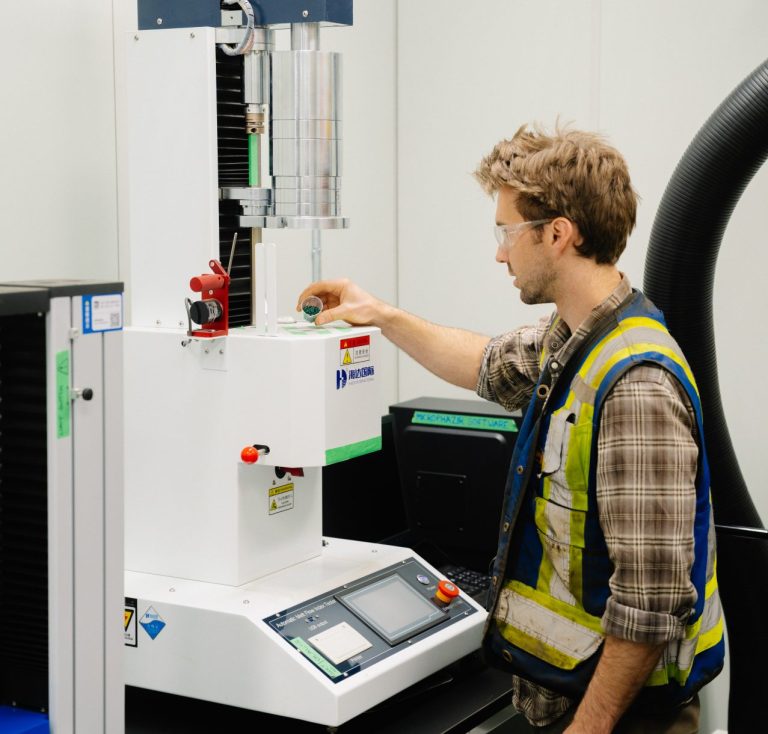
Ocean Legacy Plastic Analysis Laboratory tech scaled e1771834613422 768x734 1 1

The questions we answer

If you make plastic products, containers or parts and want to use more recycled content, these are the unknowns that stop a trial. Each one has a test.

Will this resin run on my extruder or molding machine?

Melt flow analysis gives you the melt flow rate, melt volume rate and melt density that guide your processing parameters and compounding ratios.

Is moisture behind my processing variability?

Moisture analysis gives you a moisture percentage, so you can dry to spec and avoid material degradation before it costs you a production run.

Is this lot the same as the last one?

The Process Stability Bundle checks melt flow, moisture and density together. It is the fastest way to identify batch variability.

How strong, stiff and tough will the part be?

The Mechanical Benchmark Suite runs tensile, flexural and impact testing to benchmark your material against its specification.

What is really in this recycled material?

Solid density and ash testing characterize composition and consistency, and help flag fillers, contamination and mixed polymers.

Can I put real numbers on a technical data sheet?

The Complete Polymer Passport is a full material profile. We work with customers to build their plastic technical data sheets.

Ocean Legacy Plastic Analysis Laboratory scaled e1773695446417

Plastic testing services

Seven tests, available one at a time or bundled. Each has a brochure you can download and share with your team.

Melt flow analysis

How easily a polymer flows at a set temperature and load, measured by extruding the sample through a heated capillary die. Processors use it to set extruder and molding parameters, tune compounding ratios, run quality control and detect polymer degradation.

  • Reported as
  • Melt flow rate, g/10 min
  • Melt volume rate, cm³/10 min
  • Melt density, g/cm³
  • ASTM D1238
Melt flow brochure (PDF)

Moisture analysis

How much moisture your material is carrying, measured by heating a specimen and tracking its weight loss. Moisture causes processing variability and material degradation, and it is a core quality assurance number for you and your customers.

  • Reported as
  • Moisture content, %
  • ASTM D6980
Moisture brochure (PDF)

Solid density analysis

The specific gravity and solid density of a polymer, found by weighing it in air and in water. A fundamental property for characterizing material quality, composition and consistency.

  • Reported as
  • Specific gravity
  • Solid density, g/cm³
Solid density brochure (PDF)

Tensile analysis

The stiffness and strength of a molded sample when it is pulled at a defined rate. Product developers and designers use these values to decide whether a material suits the part.

  • Reported as
  • Tensile modulus
  • Strength and strain at yield, ultimate and fracture
Tensile brochure (PDF)

Flexural analysis

The stiffness and strength of a molded sample when it is bent under load across a defined span. Essential for panels, molded parts and profiles, construction and structural plastic products, and infrastructure components.

  • Reported as
  • Flexural modulus
  • Strength at yield, ultimate and fracture
Flexural brochure (PDF)

Impact analysis

The toughness and failure behaviour of a polymer under a sudden blow. A molded sample is secured in a fixture and struck with a pendulum, as either a notched Izod or a Charpy test.

  • Reported as
  • Impact strength
  • Notched Izod or Charpy
Impact brochure (PDF)

Ash testing

The inorganic residue left once the polymer is burned away. It indicates how much filler, reinforcement or contamination is in a recycled or compounded material.

  • Reported as
  • Ash content, %
Ask about ash testing

Film shrinkage

Shrinkage testing for plastic film is in development. Tell us what you need and we will let you know when it is available.

Coming soon

Not sure which test you need?

Tell us about your material and what you are trying to solve. We will recommend a test plan, and sample preparation and result interpretation are available as add-on services.

Ask the lab

Bundled testing packages

Three packages built around the decisions manufacturers make most often.

Complete Polymer Passport

All 7 tests

Your full, go-to material profile. Use it to qualify a new resin or supplier, or as the foundation of a technical data sheet.

  • Melt flow indexg/10 min, cm³/10 min
  • Moisture analysis%
  • Solid densityg/cm³, specific gravity
  • Tensilemodulus, strength, strain
  • Flexuralmodulus, strength
  • Impactnotched Izod or Charpy
  • Ash testing%

Process Stability Bundle

The fastest way to identify batch variability, for reliable quality control on incoming and outgoing lots.

Melt flow index + moisture analysis + solid density

Mechanical Benchmark Suite

Prove performance with confidence. Benchmark strength, stiffness and toughness for your material specifications.

Tensile + flexural + impact analysis

Every test and bundle is available as an individual request, or as daily and monthly bundled units for ongoing production. Tell us your volume and we will quote the most economical option.

How testing works

  1. Tell us about your material

    Share the polymer, its form and what you need to learn. We recommend the right test or bundle and send you a quote.
  2. Send or drop off your sample

    Ship it to our Richmond facility or bring it in by appointment. We work with pellet, regrind and fibre, and offer sample preparation if your material is not test-ready.
  3. We run the analysis

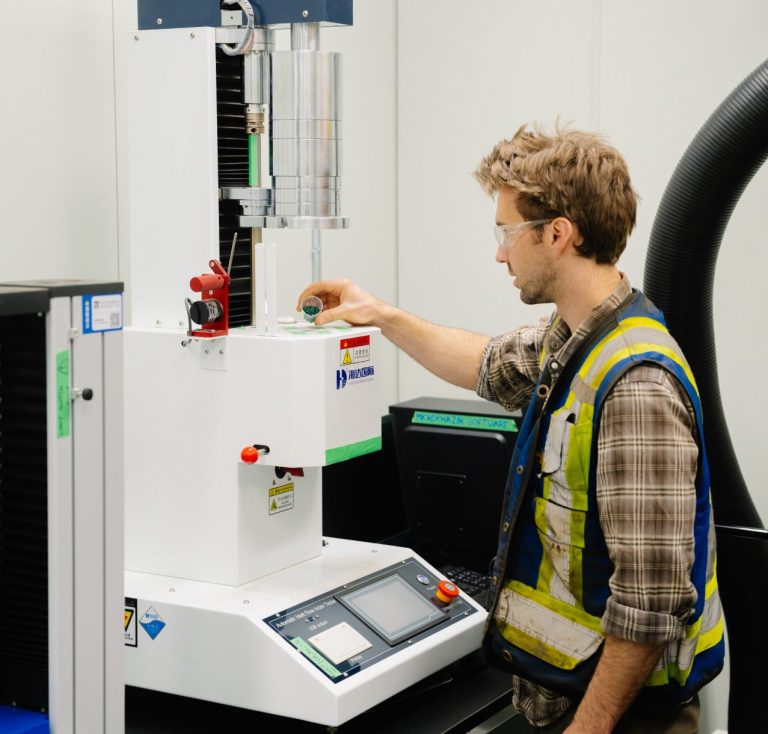
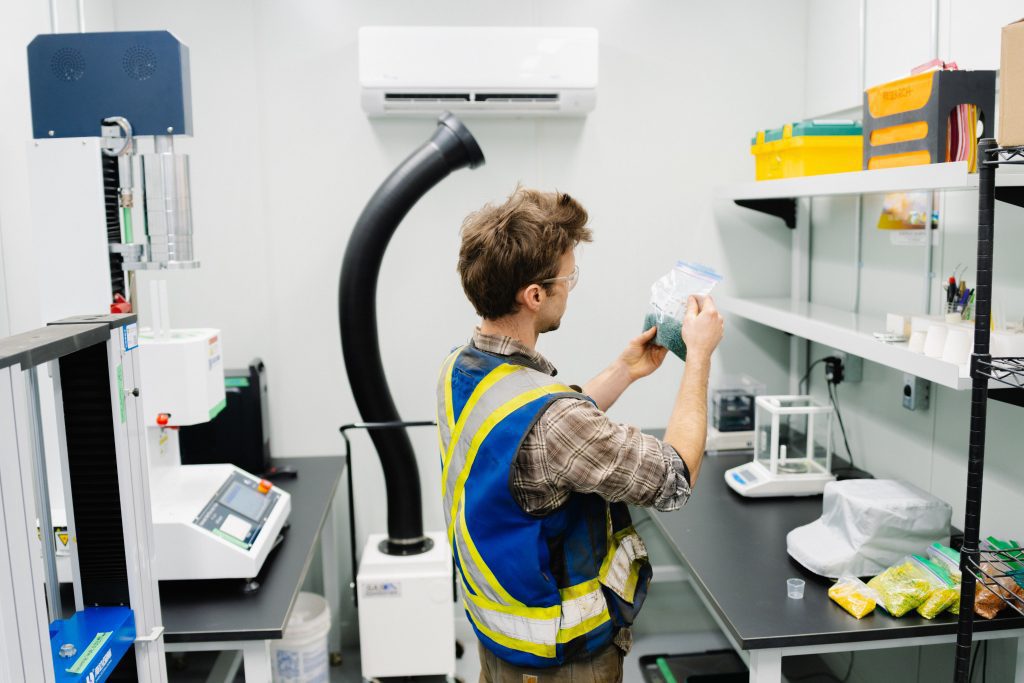
    Our scientists and technicians receive, handle and test your sample on dedicated plastic testing instruments.
  4. You get a clear report

    A final report presents your compiled results. Add a consultation and we will walk through what the numbers mean for your process.

Stuck on a processing problem?

Our process consultation service turns lab data into better production outcomes.

We provide technical support to troubleshoot material and processing issues, especially in recycling environments. We work with you to optimize material performance, improve processing conditions and resolve manufacturing challenges across a range of plastic applications.

“With the growing circular economy and the push for molders to increase their recycled plastic content, a reliable and accessible plastic testing laboratory is critical for success.”

Jon Hatt, Laboratory Manager, Ocean Legacy Plastic Testing Laboratory

Why manufacturers choose this lab

We are processors, not only testers

Our own facility produced 167,702 kg of recycled pellet, regrind and crumble in 2025. We read results the way a production team does.

A purpose-built plastic testing laboratory

Dedicated instruments for melt flow, moisture, density, ash and mechanical testing, run by experienced scientists and technicians.

Clear, actionable reporting

You get compiled results in a final report, with interpretation available when you want a second set of eyes on the data.

Pricing that makes routine testing realistic

We are a non-profit, and the lab was made possible with support from the Province of British Columbia through the CleanBC Plastics Action Fund.

The lab expansion was covered by Plastics News, Recycling Product News and Waste & Recycling.

Case study: Legacy Plastic™

From ghost gear to a resin with a spec sheet.

Legacy Plastic is our recycled resin made from recovered ocean, shoreline and marine plastic, including rope, fishing net and oyster baskets. Few feedstocks are harder to characterize, and this lab supports its quality standards.

  • Available in polypropylene, HDPE, LDPE and Nylon 6
  • Every batch is tracked and traceable to its source
  • Product specifications are available to buyers on request

From feedstock to finished product

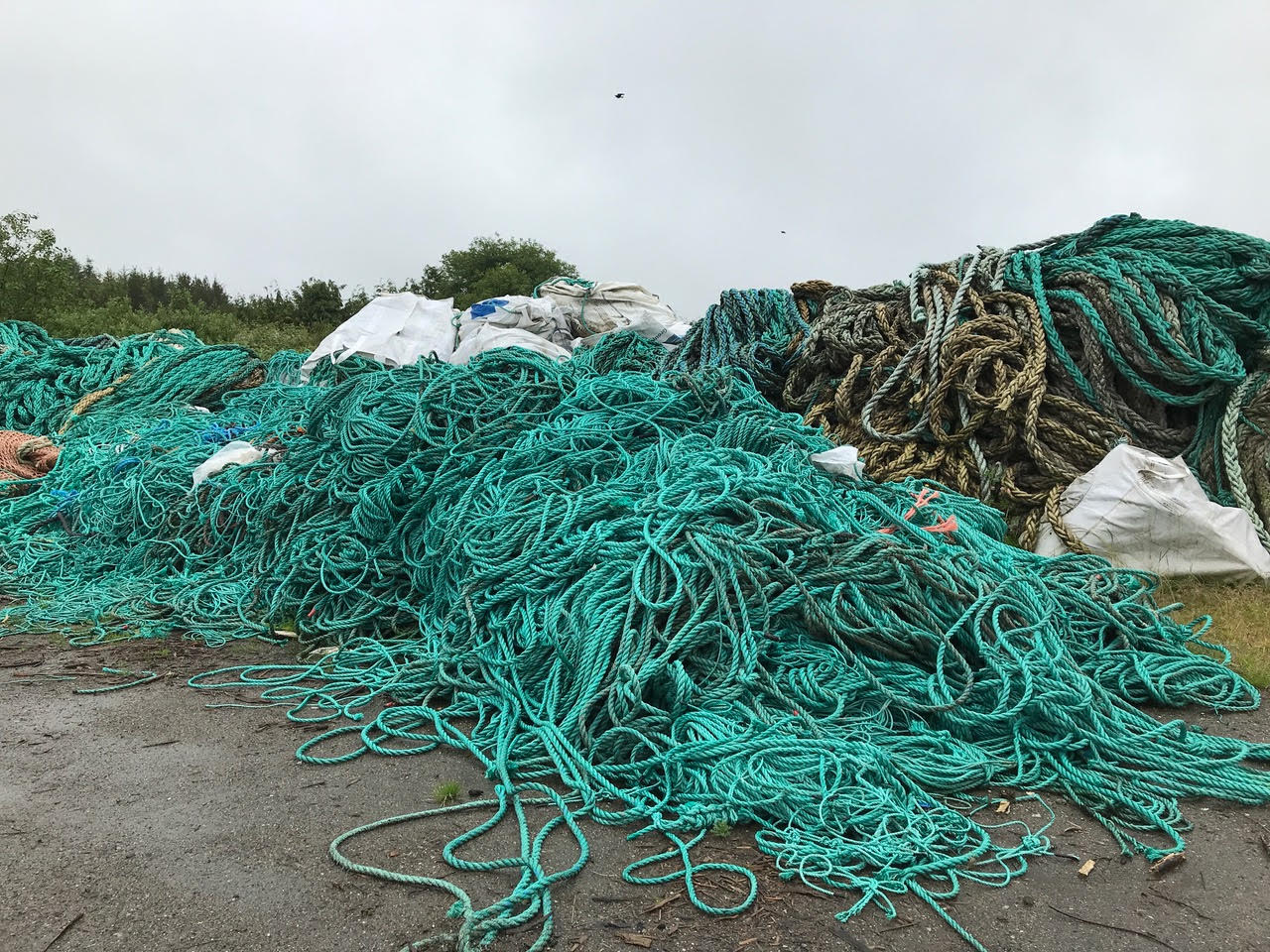
Rope 1 1
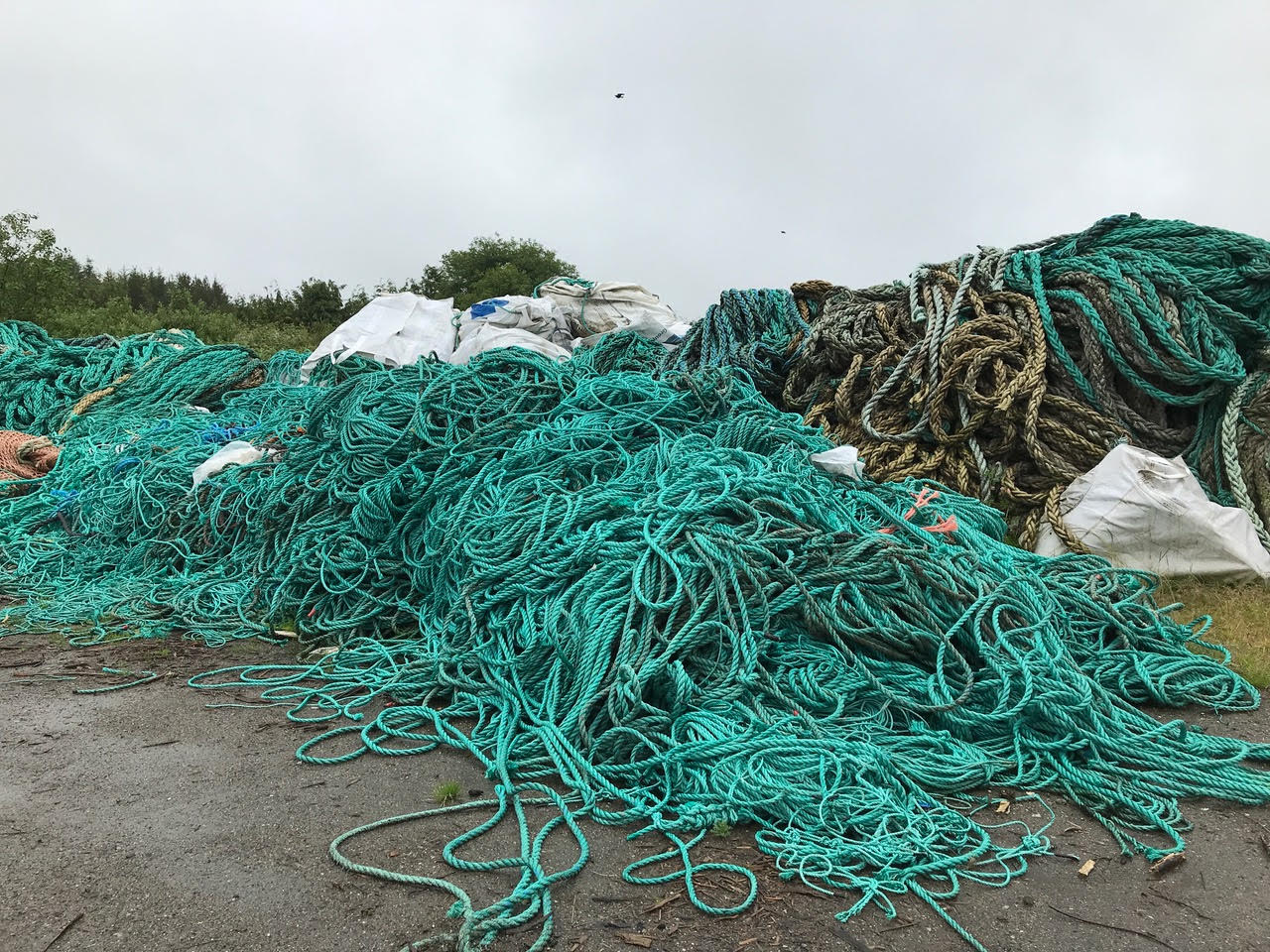
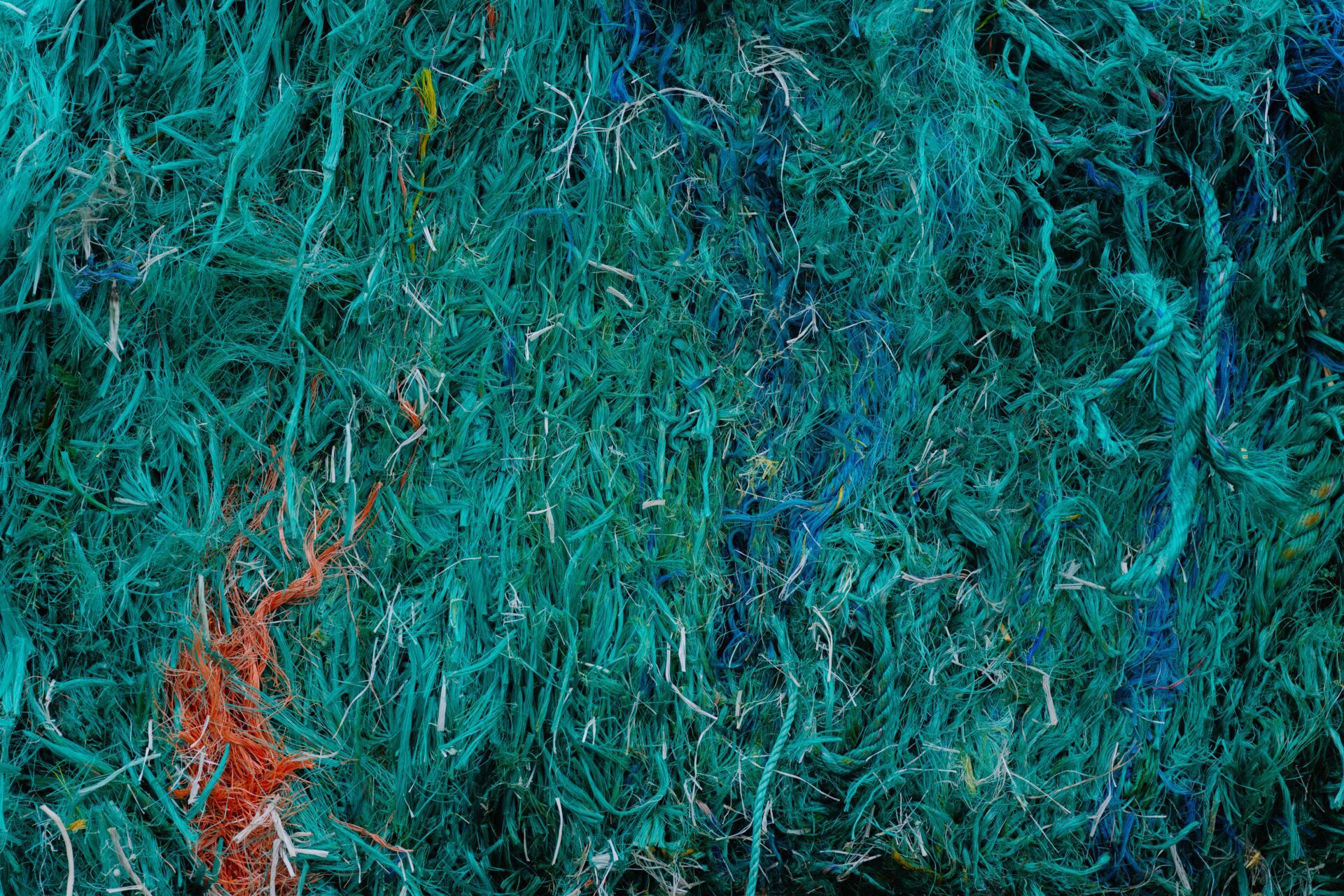
Feedstock collection. Rope and marine gear recovered from the Pacific coast through our Ocean Plastic Depot network.
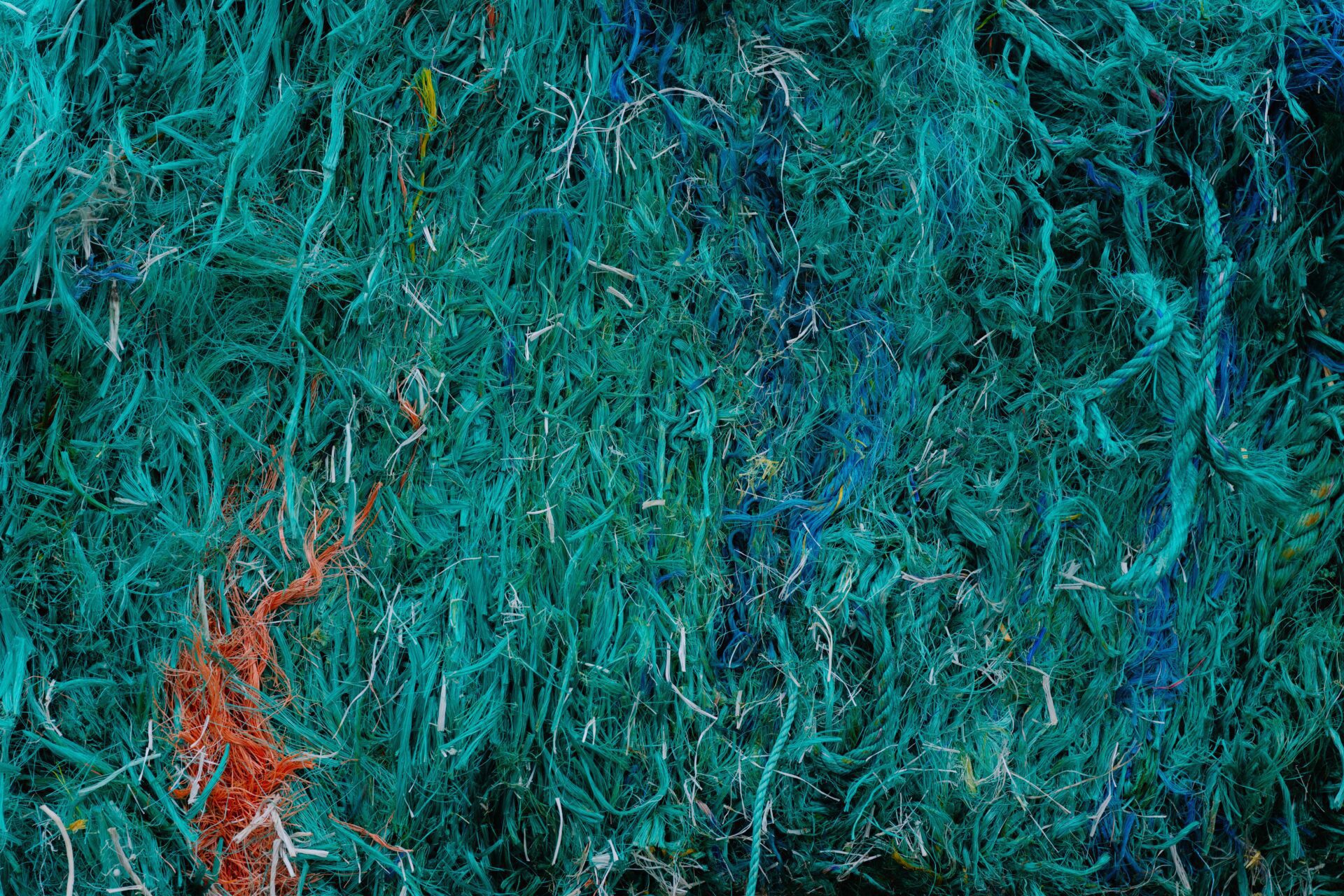
2025.Vancouver.BC 1244 scaled 1
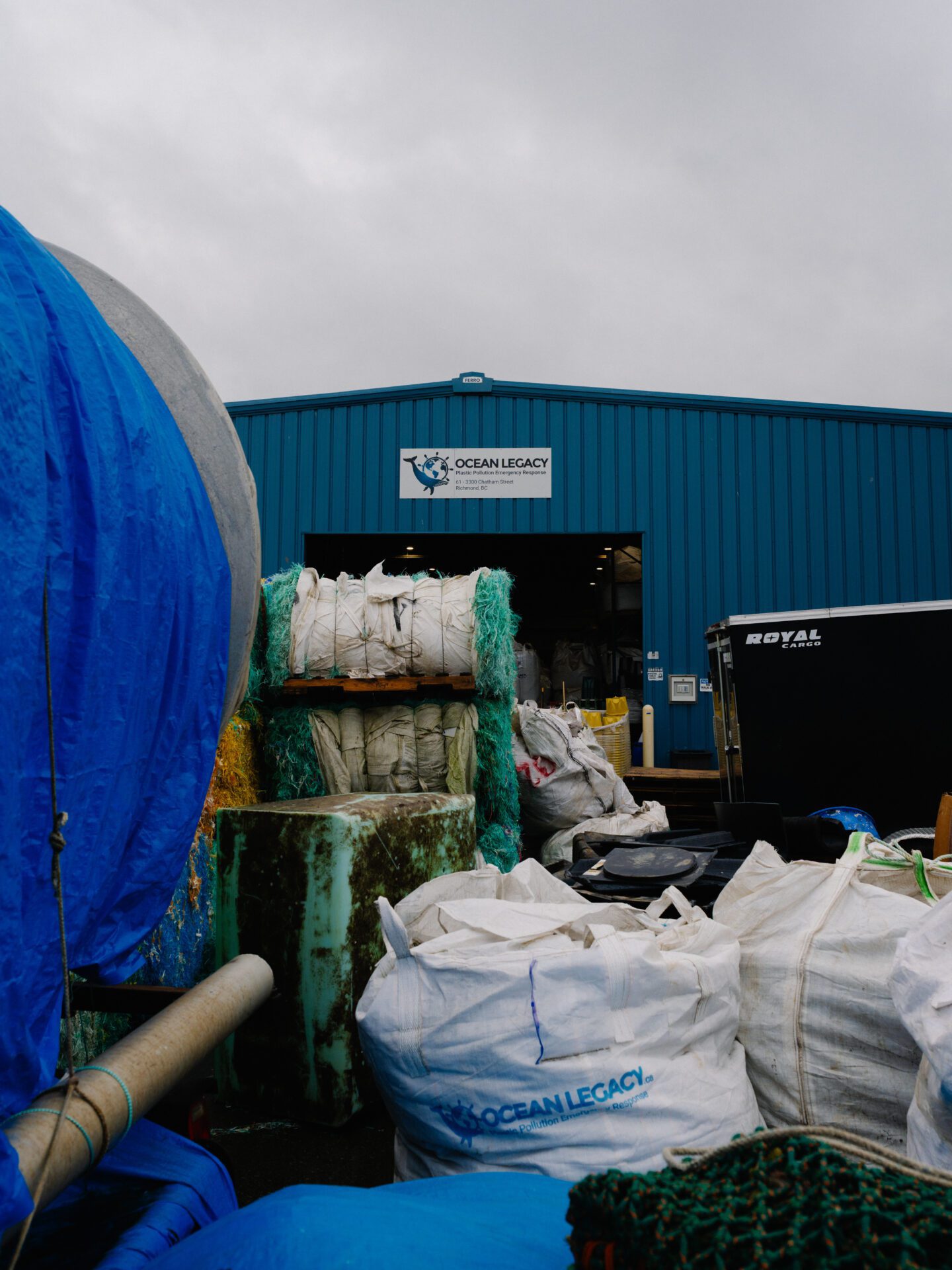
Recycling process. OLF's proprietary plastic recycling process from cleaning and shredding to extrusion.
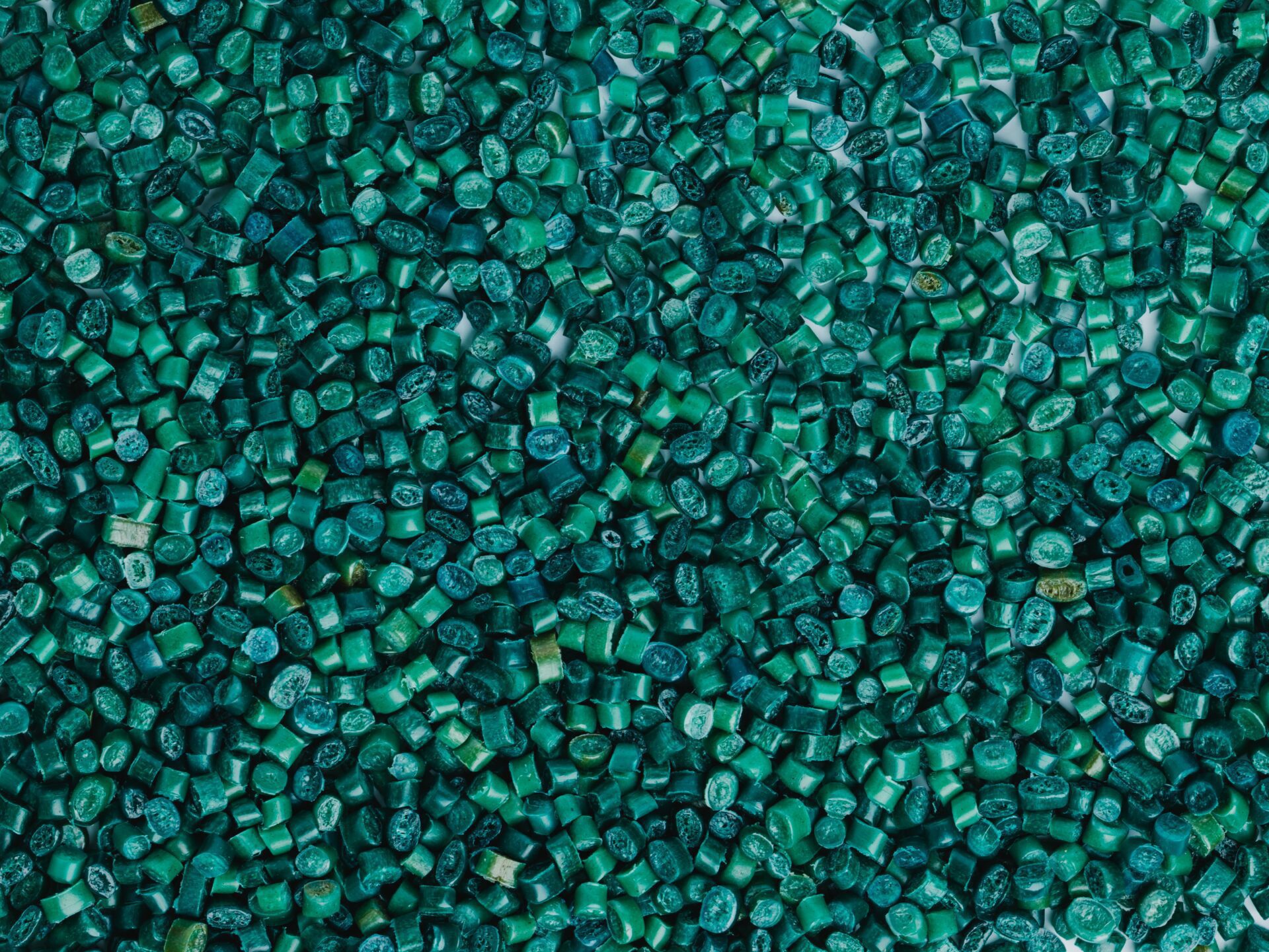
2025.3.9 1143 scaled 1
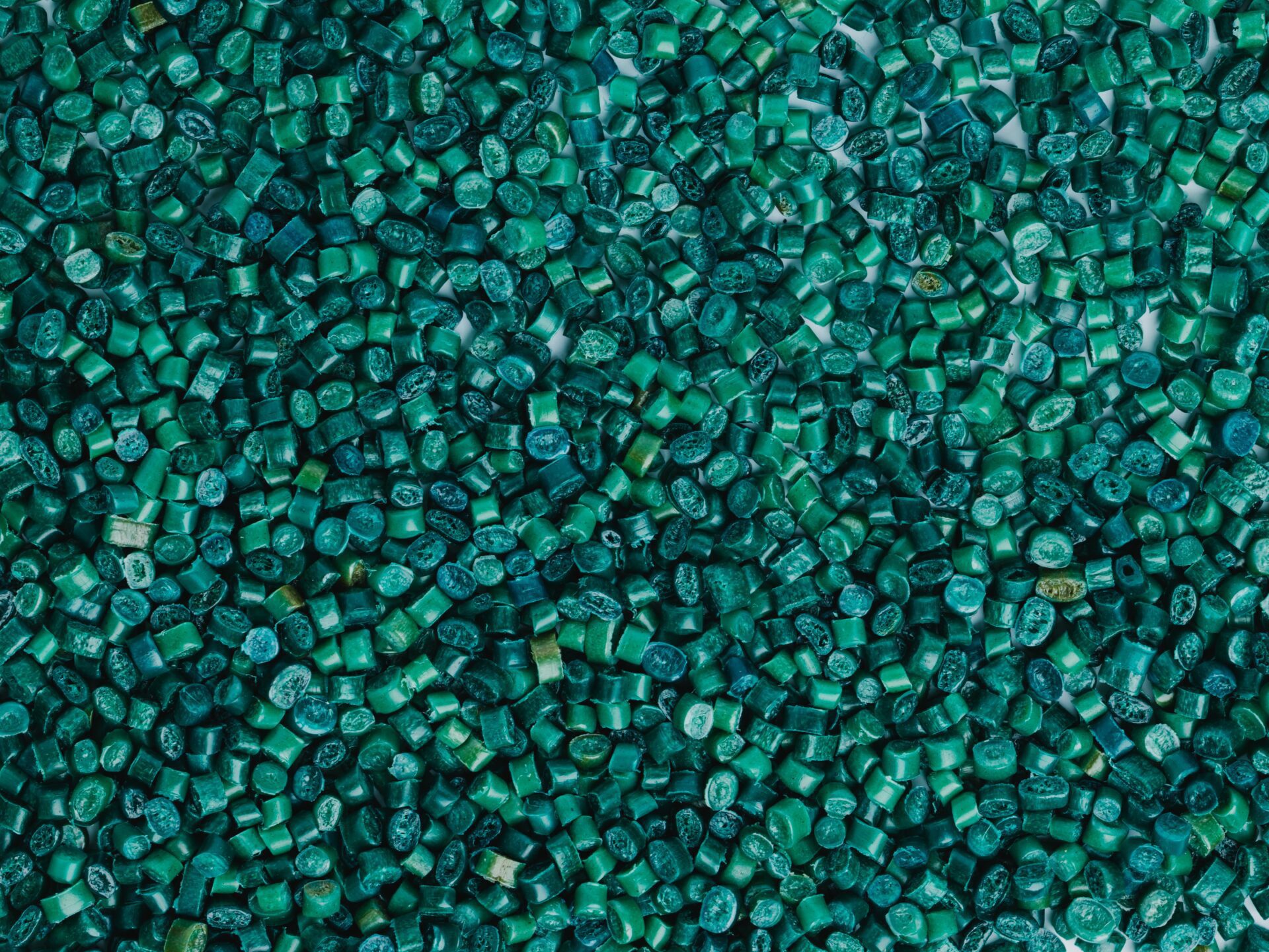
Lab Testing. Legacy Plasticâ„¢ pellet, proven and characterized in the plastic lab, suitable for a range of products.
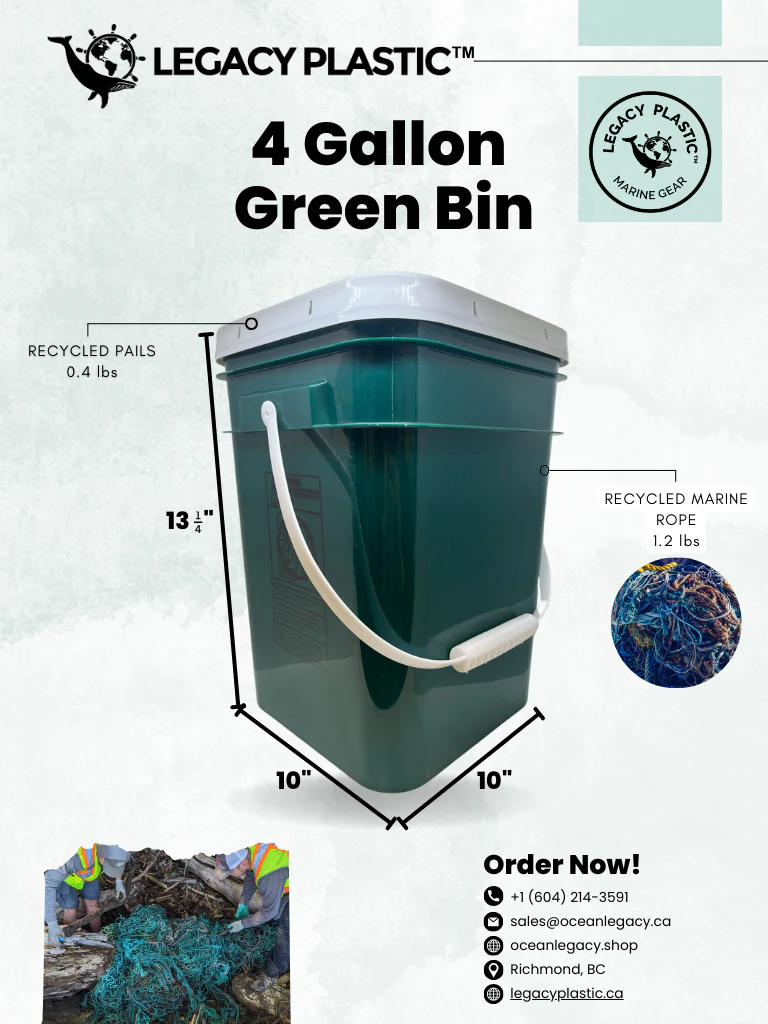
Legacy Plastic 4 Gallon Pail 1
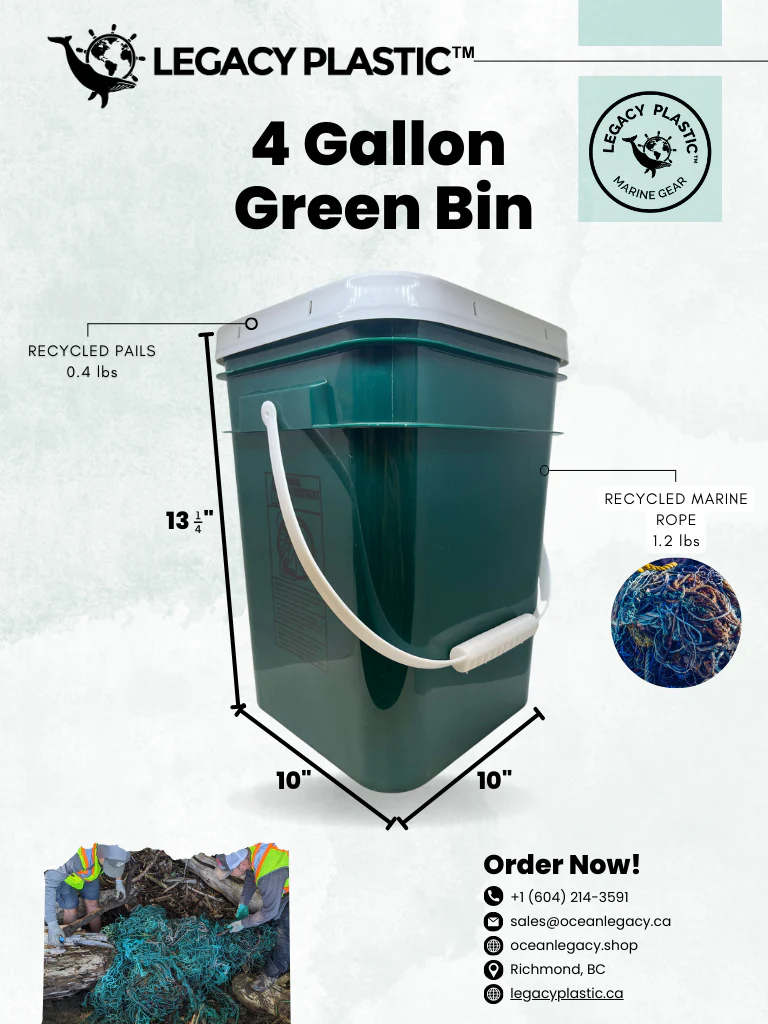
Finished product. A 4-gallon pail made with Legacy Plasticâ„¢. 100% post-consumer recycled marine plastic. A durable and sustainable finished product.

Request a quote

Tell us about your material and what you need to learn. The lab team will reply with a recommended test plan and pricing.

Plastic testing questions, answered

What does the Ocean Legacy Plastic Testing Laboratory test?

The lab tests recycled, virgin and compounded plastics for seven properties: melt flow, moisture content, solid density, tensile strength, flexural strength, impact strength and ash content. Tests can be ordered individually or as one of three bundled packages.

Who is the lab for?

The lab serves manufacturers, molders, recyclers, compounders, product designers and independent makers across the Pacific Northwest and beyond. It is designed for anyone who needs reliable property data to use plastic, and especially recycled plastic, in their products.

What types of plastic and sample forms can you test?

We test recycled, virgin and compounded plastics across a range of polymer types. Melt flow and moisture testing can be run on pellet, regrind or ground material, and fibre. Tensile, flexural and impact tests are run on molded samples. Sample preparation is available if your material is not test-ready.

What is melt flow rate, and why does it matter?

Melt flow rate (MFR) is the mass of molten polymer that flows through a standard die in ten minutes at a set temperature and load, reported in g/10 min. It tells a processor how easily a material will flow, which guides extruder and molding parameters, compounding ratios and the best use for a recycled material. A shift in melt flow between lots can also signal polymer degradation.

Why should I test moisture before processing plastic?

Excess moisture causes processing variability and can degrade the material during melt processing. A moisture analysis gives you a moisture percentage, so you can confirm your drying is working and document quality for your own records and for your customers.

What is included in the Complete Polymer Passport?

The Complete Polymer Passport is a full material profile made up of all seven tests: melt flow index, moisture analysis, solid density, tensile, flexural, impact and ash testing. It is the package to choose when you are qualifying a new resin or building a technical data sheet.

Which test standards does the lab follow?

Melt flow analysis is performed in accordance with ASTM D1238, and we conduct moisture analysis to ASTM D6980. Contact the lab for the method details of any other test, or to discuss a specific standard your customer requires.

How much does plastic testing cost?

Pricing depends on the tests you need and how often you need them. Every test and bundle can be ordered as an individual request, or as daily and monthly bundled units for ongoing quality control. Request a quote and we will recommend the most economical option for your volume.

Can you help me build a technical data sheet for a recycled resin?

Yes. The lab works with customers to build plastic technical data sheets, perform quality control testing and troubleshoot processing problems. The Complete Polymer Passport is the usual starting point for a data sheet.

Do you only test recycled ocean plastic?

No. The lab tests recycled, virgin and compounded plastics from any source. Our experience with recovered marine plastic simply means we are comfortable with variable, hard-to-characterize material.

Where is the lab, and can I drop off samples?

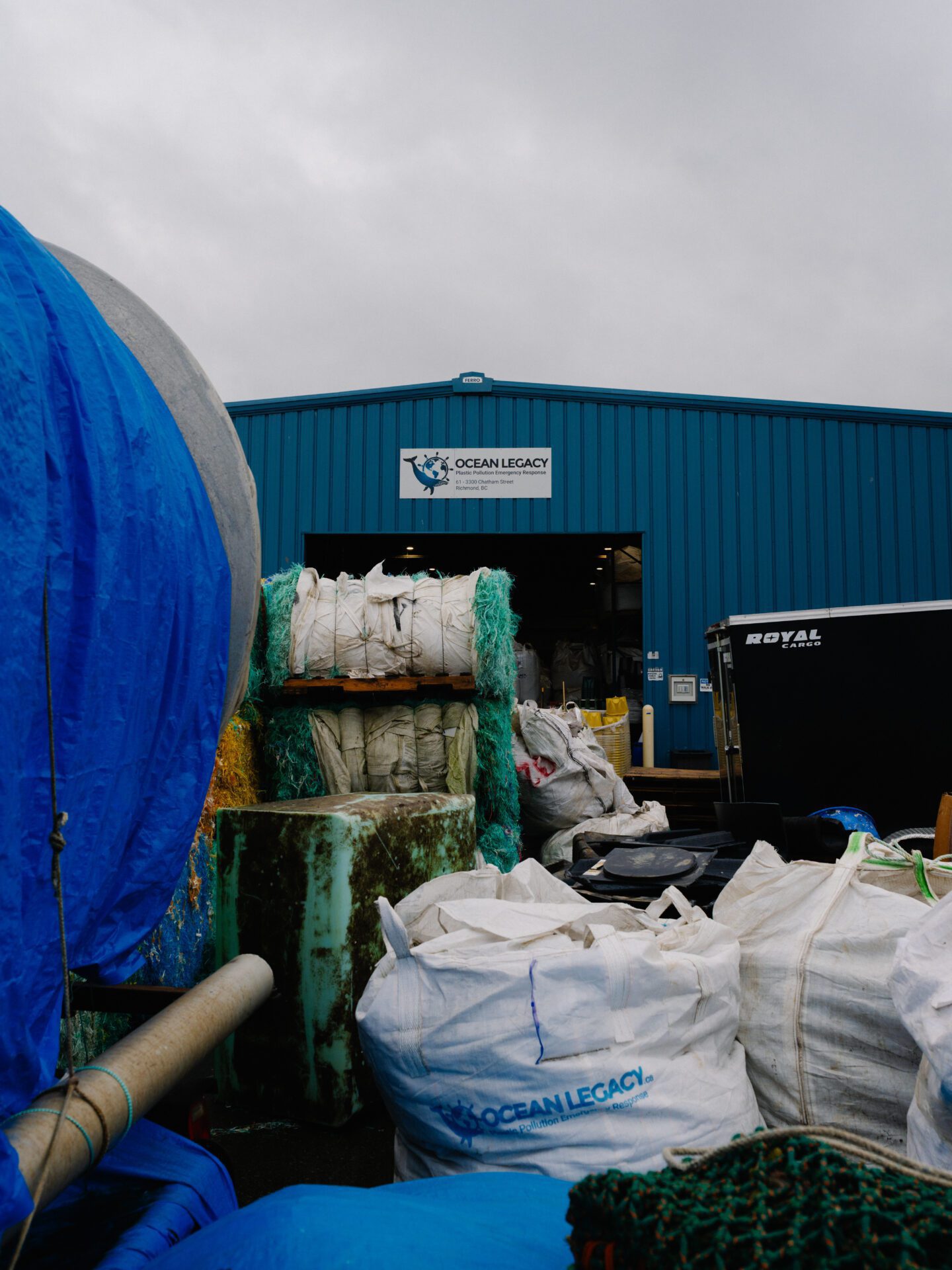
The lab is inside the Ocean Legacy facility at 61-3300 Chatham Street in Richmond, British Columbia, in the Steveston neighbourhood. Samples can be shipped or dropped off. Visits are by appointment, so please call (604) 214-3591 or email first.

How is the lab connected to Legacy Plastic?

Legacy Plastic is Ocean Legacy's recycled resin made from recovered ocean, shoreline and marine plastic. The Plastic Testing Laboratory supports quality standards for Legacy Plastic, and the same testing services are open to outside manufacturers and recyclers.

Have a wider question about Ocean Legacy? Read the Ocean Legacy FAQ or contact the team.

2025.Vancouver.BC 1106 scaled 1

Find the lab in Richmond, BC

The Plastic Testing Laboratory is part of Ocean Legacy's plastic recycling facility in Steveston, at the mouth of the Fraser River just south of Vancouver.

Ocean Legacy Plastic Testing Laboratory
61-3300 Chatham Street
Richmond, BC V7E 3K1
(604) 214-3591

Sample drop-off is by appointment.

Plastic Testing Laboratory

Know your plastic before you run it

Affordable material testing for manufacturers, molders and recyclers. Melt flow, moisture, density, tensile, flexural, impact and ash testing at our plastic testing laboratory in Richmond, British Columbia.

Bundled testing packages

  • Complete Polymer PassportAll 7 tests: your full material profile
  • Process Stability BundleMelt flow + moisture + solid density
  • Mechanical Benchmark SuiteTensile + flexural + impact
See all tests and brochures

Plastic testing for manufacturers, molders and recyclers

Precise numbers on how your plastic will process and perform, from a lab that works with recycled material every day.

The Ocean Legacy Plastic Testing Laboratory analyzes recycled, virgin and compounded plastics at our facility in Richmond, British Columbia. We measure melt flow, moisture, solid density, tensile, flexural and impact strength, and ash content, then give you a clear report you can act on.

We built this lab to characterize some of the most demanding feedstock there is: rope, nets and gear recovered from the Pacific. Your resin is in good hands.

  • 7 test methodsProcess and mechanical properties
  • 3 bundled packagesOr order any test on its own
  • Daily and monthly ratesPriced for routine quality control
  • Richmond, BCServing the Pacific Northwest and beyond
Ocean Legacy Plastic Analysis Laboratory tech scaled e1771834613422 768x734 1

The questions we answer

If you make plastic products, containers or parts and want to use more recycled content, these are the unknowns that stop a trial. Each one has a test.

Will this resin run on my extruder or molding machine?

Melt flow analysis gives you the melt flow rate, melt volume rate and melt density that guide your processing parameters and compounding ratios.

Is moisture behind my processing variability?

Moisture analysis gives you a moisture percentage, so you can dry to spec and avoid material degradation before it costs you a production run.

Is this lot the same as the last one?

The Process Stability Bundle checks melt flow, moisture and density together. It is the fastest way to identify batch variability.

How strong, stiff and tough will the part be?

The Mechanical Benchmark Suite runs tensile, flexural and impact testing to benchmark your material against its specification.

What is really in this recycled material?

Solid density and ash testing characterize composition and consistency, and help flag fillers, contamination and mixed polymers.

Can I put real numbers on a technical data sheet?

The Complete Polymer Passport is a full material profile. We work with customers to build their plastic technical data sheets.

Plastic Testing Laboratory

Plastic testing services

Seven tests, available one at a time or bundled. Each has a brochure you can download and share with your team.

Melt flow analysis

How easily a polymer flows at a set temperature and load, measured by extruding the sample through a heated capillary die. Processors use it to set extruder and molding parameters, tune compounding ratios, run quality control and detect polymer degradation.

  • Reported as
  • Melt flow rate, g/10 min
  • Melt volume rate, cm³/10 min
  • Melt density, g/cm³
  • ASTM D1238
Melt flow brochure (PDF)

Moisture analysis

How much moisture your material is carrying, measured by heating a specimen and tracking its weight loss. Moisture causes processing variability and material degradation, and it is a core quality assurance number for you and your customers.

  • Reported as
  • Moisture content, %
  • ASTM D6980
Moisture brochure (PDF)

Solid density analysis

The specific gravity and solid density of a polymer, found by weighing it in air and in water. A fundamental property for characterizing material quality, composition and consistency.

  • Reported as
  • Specific gravity
  • Solid density, g/cm³
Solid density brochure (PDF)

Tensile analysis

The stiffness and strength of a molded sample when it is pulled at a defined rate. Product developers and designers use these values to decide whether a material suits the part.

  • Reported as
  • Tensile modulus
  • Strength and strain at yield, ultimate and fracture
Tensile brochure (PDF)

Flexural analysis

The stiffness and strength of a molded sample when it is bent under load across a defined span. Essential for panels, molded parts and profiles, construction and structural plastic products, and infrastructure components.

  • Reported as
  • Flexural modulus
  • Strength at yield, ultimate and fracture
Flexural brochure (PDF)

Impact analysis

The toughness and failure behaviour of a polymer under a sudden blow. A molded sample is secured in a fixture and struck with a pendulum, as either a notched Izod or a Charpy test.

  • Reported as
  • Impact strength
  • Notched Izod or Charpy
Impact brochure (PDF)

Ash testing

The inorganic residue left once the polymer is burned away. It indicates how much filler, reinforcement or contamination is in a recycled or compounded material.

  • Reported as
  • Ash content, %
Ask about ash testing

Film shrinkage

Shrinkage testing for plastic film is in development. Tell us what you need and we will let you know when it is available.

Coming soon

Not sure which test you need?

Tell us about your material and what you are trying to solve. We will recommend a test plan, and sample preparation and result interpretation are available as add-on services.

Ask the lab

Bundled testing packages

Three packages built around the decisions manufacturers make most often.

Complete Polymer Passport

All 7 tests

Your full, go-to material profile. Use it to qualify a new resin or supplier, or as the foundation of a technical data sheet.

  • Melt flow indexg/10 min, cm³/10 min
  • Moisture analysis%
  • Solid densityg/cm³, specific gravity
  • Tensilemodulus, strength, strain
  • Flexuralmodulus, strength
  • Impactnotched Izod or Charpy
  • Ash testing%

Process Stability Bundle

The fastest way to identify batch variability, for reliable quality control on incoming and outgoing lots.

Melt flow index + moisture analysis + solid density

Mechanical Benchmark Suite

Prove performance with confidence. Benchmark strength, stiffness and toughness for your material specifications.

Tensile + flexural + impact analysis

Every test and bundle is available as an individual request, or as daily and monthly bundled units for ongoing production. Tell us your volume and we will quote the most economical option.

How testing works

  1. Tell us about your material

    Share the polymer, its form and what you need to learn. We recommend the right test or bundle and send you a quote.
  2. Send or drop off your sample

    Ship it to our Richmond facility or bring it in by appointment. We work with pellet, regrind and fibre, and offer sample preparation if your material is not test-ready.
  3. We run the analysis

    Our scientists and technicians receive, handle and test your sample on dedicated plastic testing instruments.
  4. You get a clear report

    A final report presents your compiled results. Add a consultation and we will walk through what the numbers mean for your process.

Stuck on a processing problem?

Our process consultation service turns lab data into better production outcomes.

We provide technical support to troubleshoot material and processing issues, especially in recycling environments. We work with you to optimize material performance, improve processing conditions and resolve manufacturing challenges across a range of plastic applications.

“With the growing circular economy and the push for molders to increase their recycled plastic content, a reliable and accessible plastic testing laboratory is critical for success.”

Jon Hatt, Laboratory Manager, Ocean Legacy Plastic Testing Laboratory

Why manufacturers choose this lab

We are processors, not only testers

Our own facility produced 167,702 kg of recycled pellet, regrind and crumble in 2025. We read results the way a production team does.

A purpose-built plastic testing laboratory

Dedicated instruments for melt flow, moisture, density, ash and mechanical testing, run by experienced scientists and technicians.

Clear, actionable reporting

You get compiled results in a final report, with interpretation available when you want a second set of eyes on the data.

Pricing that makes routine testing realistic

We are a non-profit, and the lab was made possible with support from the Province of British Columbia through the CleanBC Plastics Action Fund.

The lab expansion was covered by Plastics News, Recycling Product News and Waste & Recycling.

Case study: Legacy Plastic™

From ghost gear to a resin with a spec sheet.

Legacy Plastic is our recycled resin made from recovered ocean, shoreline and marine plastic, including rope, fishing net and oyster baskets. Few feedstocks are harder to characterize, and this lab supports its quality standards.

  • Available in polypropylene, HDPE, LDPE and Nylon 6
  • Every batch is tracked and traceable to its source
  • Product specifications are available to buyers on request

From feedstock to finished product

Rope 1
Feedstock collection. Rope and marine gear recovered from the Pacific coast through our Ocean Plastic Depot network.
2025.Vancouver.BC 1244 scaled
Recycling process. OLF's proprietary plastic recycling process from cleaning and shredding to extrusion.
Legacy Plasticâ„¢ 100% recycled ocean plastic rope and net
Lab Testing. Legacy Plasticâ„¢ pellet, proven and characterized in the plastic lab, suitable for a range of products.
Legacy Plastic 4 Gallon Pail
Finished product. A 4-gallon pail made with Legacy Plasticâ„¢. 100% post-consumer recycled marine plastic. A durable and sustainable finished product.

Request a quote

Tell us about your material and what you need to learn. The lab team will reply with a recommended test plan and pricing.

Plastic testing questions, answered

What does the Ocean Legacy Plastic Testing Laboratory test?

The lab tests recycled, virgin and compounded plastics for seven properties: melt flow, moisture content, solid density, tensile strength, flexural strength, impact strength and ash content. Tests can be ordered individually or as one of three bundled packages.

Who is the lab for?

The lab serves manufacturers, molders, recyclers, compounders, product designers and independent makers across the Pacific Northwest and beyond. It is designed for anyone who needs reliable property data to use plastic, and especially recycled plastic, in their products.

What types of plastic and sample forms can you test?

We test recycled, virgin and compounded plastics across a range of polymer types. Melt flow and moisture testing can be run on pellet, regrind or ground material, and fibre. Tensile, flexural and impact tests are run on molded samples. Sample preparation is available if your material is not test-ready.

What is melt flow rate, and why does it matter?

Melt flow rate (MFR) is the mass of molten polymer that flows through a standard die in ten minutes at a set temperature and load, reported in g/10 min. It tells a processor how easily a material will flow, which guides extruder and molding parameters, compounding ratios and the best use for a recycled material. A shift in melt flow between lots can also signal polymer degradation.

Why should I test moisture before processing plastic?

Excess moisture causes processing variability and can degrade the material during melt processing. A moisture analysis gives you a moisture percentage, so you can confirm your drying is working and document quality for your own records and for your customers.

What is included in the Complete Polymer Passport?

The Complete Polymer Passport is a full material profile made up of all seven tests: melt flow index, moisture analysis, solid density, tensile, flexural, impact and ash testing. It is the package to choose when you are qualifying a new resin or building a technical data sheet.

Which test standards does the lab follow?

Melt flow analysis is performed in accordance with ASTM D1238, and we conduct moisture analysis to ASTM D6980. Contact the lab for the method details of any other test, or to discuss a specific standard your customer requires.

How much does plastic testing cost?

Pricing depends on the tests you need and how often you need them. Every test and bundle can be ordered as an individual request, or as daily and monthly bundled units for ongoing quality control. Request a quote and we will recommend the most economical option for your volume.

Can you help me build a technical data sheet for a recycled resin?

Yes. The lab works with customers to build plastic technical data sheets, perform quality control testing and troubleshoot processing problems. The Complete Polymer Passport is the usual starting point for a data sheet.

Do you only test recycled ocean plastic?

No. The lab tests recycled, virgin and compounded plastics from any source. Our experience with recovered marine plastic simply means we are comfortable with variable, hard-to-characterize material.

Where is the lab, and can I drop off samples?

The lab is inside the Ocean Legacy facility at 61-3300 Chatham Street in Richmond, British Columbia, in the Steveston neighbourhood. Samples can be shipped or dropped off. Visits are by appointment, so please call (604) 214-3591 or email first.

How is the lab connected to Legacy Plastic?

Legacy Plastic is Ocean Legacy's recycled resin made from recovered ocean, shoreline and marine plastic. The Plastic Testing Laboratory supports quality standards for Legacy Plastic, and the same testing services are open to outside manufacturers and recyclers.

OLPTL

Find the lab in Richmond, BC

The Plastic Testing Laboratory is part of Ocean Legacy's plastic recycling facility in Steveston, at the mouth of the Fraser River just south of Vancouver.

Ocean Legacy Plastic Testing Laboratory
61-3300 Chatham Street
Richmond, BC V7E 3K1
(604) 214-3591

Sample drop-off is by appointment.

Contact the Ocean Plastic Laboratory

Need some guidance?

Our process consultation service provides technical support to help troubleshoot material or processing issues in a recycling environment, and to use laboratory data to improve production outcomes.

We work with clients to optimize material performance, improve processing conditions, and resolve manufacturing challenges across a range of plastic applications.