E.P.I.C. | Plastic Pollution Emergency Response™
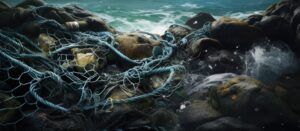
80% of the world’s ocean plastics enter the ocean via rivers and coastlines. The other 20% come from marine sources such as fishing nets, ropes, and fleets. ... Previous studies suggested that a very small number of rivers were responsible for the vast majority of ocean plastics: 60% to 90% of plastics came from only ten rivers. SOURCE
We produce 400 million tons of plastic waste each year worldwide (1), half of which is for single-use items. That’s nearly equivalent to the weight of the entire human population. (2) We must choose to reduce our needs and habits surrounding plastic use, especially single-use plastic. We now have many alternatives that biodegrade safely that could help with the plastic ocean problems. SOURCE 1 | SOURCE 2
Plastics are serving a needed function, yet appropriate disposal is often not addressed. Some plastics have toxic components and the recycling techniques have not kept up with new plastic production. Some coastal communities have difficulties in dealing with their excess pl astic. SOURCE
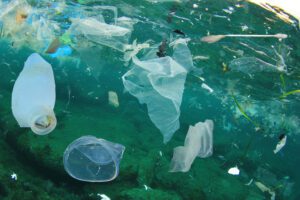
How many tonnes of plastic pollution is in the ocean? More than 170 trillion pieces of plastic, (1) weighing over 8m tonnes, are littering the world's oceans according to a study by the scientific journal PLOS One. The study is the first of its kind to gather data from around the world on floating plastic garbage in the ocean. (Study is from 2014) SOURCE 1 | READ THE 2014 STUDY
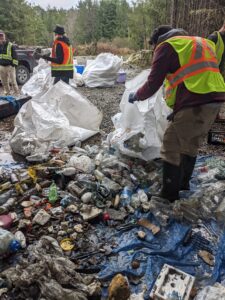
Several EU countries recycle 60-70% of used plastics and recover over 80% through integrated waste and resource management. We are currently recycling 90% of the ocean marine plastics and debris we recover on our expeditions, keeping much of it out of landfills. Legacy Plastic™Legacy Plastic™ and our Ocean Plastic Depots are providing collection and processing of recovered plastic! SOURCE
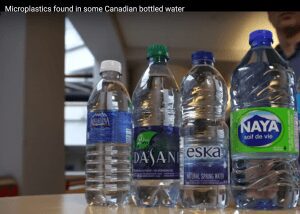
Small weathered micro-plastics are now found within digestive systems of sea life, birds and mammals globally. They are also found in our seafood, our commercial beers, wines and bottled waters and were recently found to be falling in rain, yes, plastic rain from deteriorated plastic! We now live in a "plastosphere". Source
More than 1 million seabirds and 100,000 marine animals die from plastic pollution every year. 100% of baby sea turtles have plastic in their stomachs. Marine plastic pollution has also affected 59% of whales, 36% of seals and 40% of seabirds of those examined. Every day, more and more marine creatures are dying and washing ashore full of plastic and trash. SOURCE
Plastic and debris is concentrated in 5 areas called gyres as a result of oceanic currents, which continue to grow as they are constantly replenished with new plastic and marine debris. LEARN MORE
The North Pacific Gyre's great pacific garbage patch is a soup of plastic floating and deteriorating in the ocean twice the size of Texas and a rapidly growing monstrosity on our planet. LEARN MORE
A change in perceptions, could help change our strategies around plastic use and "disposal". The marine debris OLF collects is being transformed into a recycled pellet, packaging, products, art, a mixed oil fuel and otherwise being recycled. EPR means we can create a proper circular economy for plastics LEARN MORE
Model results estimate the global number of floating plastic pieces to be:
CLICK TO VIEW THE INTERACTIVE MAP IMAGE IN THE BACKGROUND
The EPIC Program incorporates a four pillar hands-on approach to transform plastic pollution: EDUCATION, POLICY, INFRASTRUCTURE & CLEANUP.